



Common Problems and Solutions for Head Forming Machines
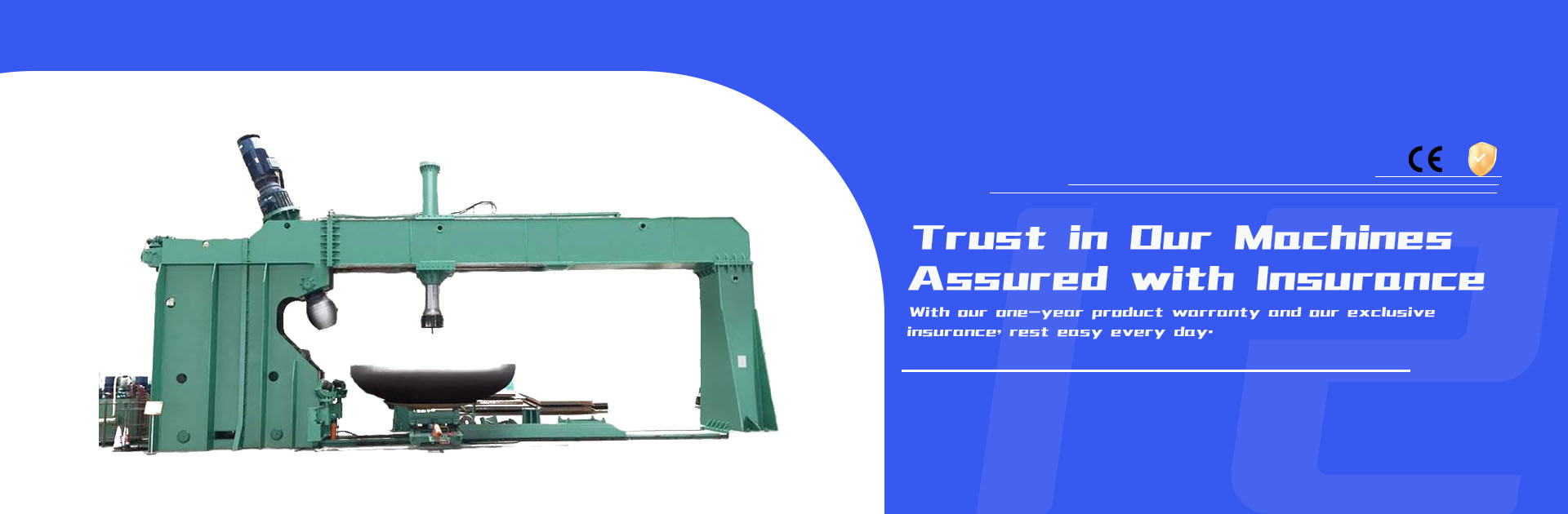
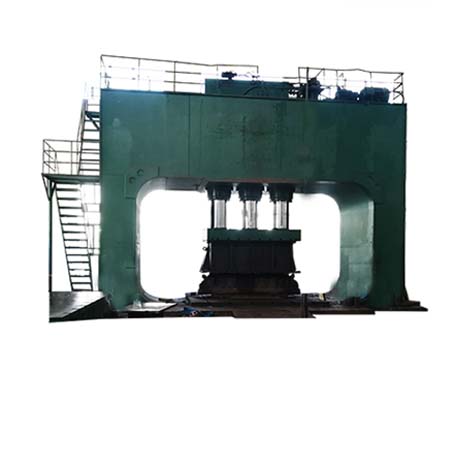
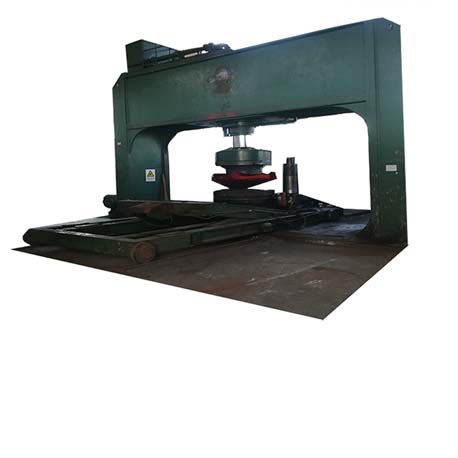
Head forming machines include hydraulic stretching machines and CNC spinning machines. Hydraulic stretching machines typically have a three-beam, four-column structure and can exert up to 1000 tons of pressure, making them ideal for forming heads with diameters of 1-3 meters. CNC spinning machines, on the other hand, are used for heads with special shapes like conical or parabolic shapes, with a processing diameter of 800-1200 mm.
Hydraulic stretching machines offer strong pressure and precise control, making them suitable for mass production, while CNC spinning machines are flexible and ideal for small-batch production.
Operating a Hydraulic Stretching Machine
The hydraulic stretching machine requires strict adherence to operational procedures. Start by ensuring the machine is placed on a flat surface for stability. Connect the power cord to a single-phase three-wire socket, turn on the main power switch, and press the power button. Once the green light illuminates, the machine is ready.
Key parameters must be adjusted based on the head material, thickness, and diameter. The pressure should generally be set between 0.5 and 2.0 seconds. When loading the metal sheet, ensure the center aligns with the mold to avoid uneven loading.
Operating a CNC Spinning Machine
For CNC spinning, use CAD software to set the spinning wheel trajectory. Input process parameters and spinning passes through the control panel, and you can store and recall programs.
Set the spindle speed between 0–1500 rpm and adjust the axial and longitudinal strokes based on the material thickness. Stainless steel should be processed within 8 mm thickness, and aluminum can go up to 5 mm. Keep a close watch on the contact between the spinning wheel and material, adjusting parameters as needed.
Troubleshooting Common Head Forming Problems
Unstable Sealing: This issue occurs when seals fail to close properly or crack, often due to insufficient heat sealing temperature, excessive speed, or uneven pressure. Solutions include increasing sealing temperature, reducing speed, and raising the pressure of the cold-pressing rollers. For composite bags with OPP linings, the sealing temperature should reach 170-180°C, while for PE linings, it should be 180-200°C.
Surface Defects: Bubbles or irregular marks are often caused by dust or plastic debris on the high-temperature belt. Regularly clean or replace the belt and check the cold-pressing rollers for wear.
Unstable Equipment Operation: Intermittent starting and stopping or inconsistent speed can be caused by loose motor connections or worn carbon brushes. Retighten screws, replace the motor brushes if necessary, and ensure a secure fit.
Maintenance Tips for Head Forming Machines
Daily Maintenance: Store the machine in a dry, well-ventilated area with a temperature around 25°C. Add No. 6 machine oil to all moving parts (gears, bearings, gearbox) every 48 hours.
Cooling System Care: Check the coolant level regularly, especially with frequent use, and replenish it weekly. Use antifreeze in the water tank to prevent freezing. Always turn on the cooling fan before shutting down and wait for the temperature to drop.
Electrical System Care: Inspect the power cord and plug for integrity and ensure reliable grounding. Keep metal parts away from the induction head to prevent short circuits.
Professional Maintenance: Always have professionals perform maintenance and repairs. Never open the machine casing after startup, and always disconnect the power supply before inspection.
Advances in Head Forming Technology
Technological advancements, such as CNC and automation, have improved head forming machines, making them more efficient and intelligent. Modern CNC spinning machines feature automatic detection, fault diagnosis, and overload protection, which greatly enhances production efficiency and product quality.
Operators must be proficient in using different types of equipment and should be able to quickly troubleshoot issues to ensure smooth production.